November 8, 2026
Landscaping plays a pivotal role in enhancing not just the visual appeal but also the economic value of a property. It extends beyond mere aesthetics, deeply influencing home value, energy efficiency, ecological balance, and even the well-being of its residents. The following article seeks to delve into the expansive benefits that professional landscaping imparts, covering aesthetic appeal, economic advantages, environmental contributions, social impacts, and technological integrations. Through a comprehensive discussion, we aim to illustrate the remarkable transformation that thoughtful landscaping brings to any property. Landscaping, far from being a mere decorative touch, is a strategic investment with multifaceted returns.
The Aesthetic Appeal of Professional Landscaping
Enhanced Visual Design
Professional landscaping enhances a property's visual design by laying out gardens, lawns, and pathways in harmonious templates that beautify surroundings. Integrating thoughtful landscape design ensures that every element, from hardscaping to plant selection, balances form and function seamlessly. Expertly installed features like water elements or rock formations create focal points that draw the eye and spark admiration. A meticulously curated garden, designed with balanced symmetry and color palette, not only captivates the property's users but also elevates its prestige. Additionally, creative use of lighting accentuates the landscape’s beauty during evening and nighttime, providing a different perspective of elegance and warmth. Landscaping breathes new life into dull properties with timeless designs that appeal to residents and visitors alike.
Seasonal Beauty
Through thoughtful plant selection and strategic planning, professional landscaping offers year-round appeal by celebrating the unique beauty of each season. Incorporating flexible landscape design principles allows the outdoor space to transition smoothly through spring, summer, fall, and winter. An array of blooming flora in spring, vibrant foliage in fall, and strategic evergreens in winter ensures landscapes remain visually engaging. By opting for a mix of perennial and seasonal plants, landscapes maintain their charm while highlighting the evolving hues throughout the year. This approach not only enhances visual variety but also provides habitats for seasonal wildlife, bringing vibrancy and life to the surroundings. Such planning results in a living artwork that evolves and enchants with the passing of seasons.
Improved Curb Appeal
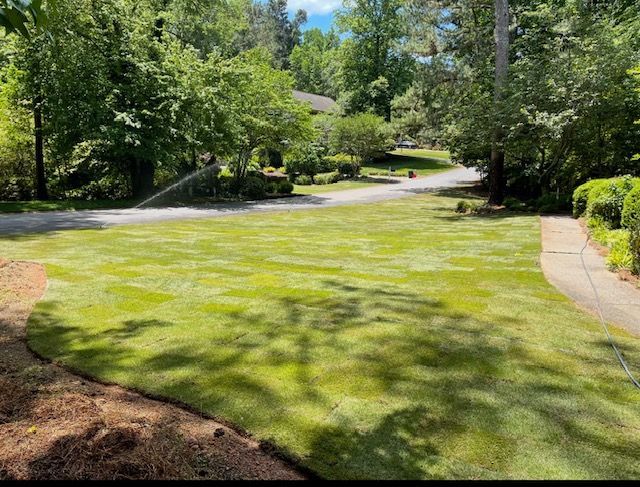
Professional landscaping significantly boosts curb appeal, an essential factor in attracting potential homebuyers and enhancing marketability. A complete landscape design framework considers how plants, walkways, and lighting interact to frame the front of the home perfectly. A well-manicured lawn, neat hedges, and flowering plants can transform an ordinary dwelling into a welcoming and attractive abode. According to Home Guide, landscaping can increase a home's value by 10% to 30%, depending on the quality and type of improvements, signifying its pivotal role in real estate. Neat, inviting exteriors set homeowners' properties apart, ensuring they make a lasting first impression. In a competitive market, an appealing façade elevates the property above others, drawing interest and fostering quicker sales.
Outdoor Living Spaces
Landscaping can effectively extend a home's living area by creating functional outdoor spaces, such as patios, decks, and gardens for leisure and entertainment. Modern landscape design frequently incorporates outdoor kitchens, fire pits, and seating arrangements that offer venues for social gatherings, seamlessly blending indoor and outdoor living. Beautifully designed spaces invite home occupants to indulge in open-air activities, fostering an environment of relaxation and enjoyment. These external features serve as an extension of personal space, encouraging time spent outdoors within the comfort of home grounds. A well-planned outdoor area is not only an investment in property value but also a lifestyle enhancement.
Economic Benefits of Landscaping
Increased Property Value
Investing in professional landscaping can significantly augment a property's resale value, providing a strong return on investment. A cohesive landscape design unifies the entire property, making it instantly more appealing to prospective buyers. Aesthetic enhancements such as mature trees, luxurious gardens, and well-maintained lawns attract buyers and elevate the perceived worth of the home. Home Guide reports a potential increase in home value by up to 30% through quality landscaping, underscoring the financial impact of greenery. Given its relatively low cost compared to structural improvements, landscaping is a wise investment for homeowners aiming to boost their property’s market value. Potential buyers often equate well-maintained exteriors with quality interiors, leading to quicker and more lucrative sales.
Energy Efficiency
Strategically placed trees and plants contribute to energy efficiency by providing shade and reducing cooling costs in warmer months. Implementing a strategic landscape design allows homeowners to maximize windbreaks and shade, insulating the home across all seasons. During the summer, mature trees cool buildings by blocking sunlight, thus lessening the necessity for air conditioning. In winter, evergreens break harsh winds, reducing heating demands by insulating buildings naturally. This ecological balance diminishes reliance on artificial energy, promotes sustainability, and results in cost savings for homeowners. Landscaping incorporates nature’s efficiency into home design, making energy conservation an inherent benefit of green surroundings.
Water Management
Professional landscaping offers improved water management solutions that optimize irrigation and minimize expenditure. Utilizing smart landscape design techniques helps route water effectively to where it is needed most, avoiding pools and runoff. Efficient drip irrigation systems, carefully chosen drought-resistant plants, and rainwater collection efforts ensure gardens thrive with responsible water use. These sustainable practices reduce water bills and promote conservation, benefiting the homeowner and environment. Thoughtful landscaping includes designing terrain to naturally redirect and absorb excess rainwater, preventing erosion and surface runoff. Proper water management highlights landscaping as a cost-effective and environmentally conscious home improvement.
Environmental Impact
Ecosystem Support
Landscaping designs that incorporate native plants contribute significantly to supporting ecosystems and local wildlife. Purposeful landscape design creates micro-habitats that allow birds, pollinators, and beneficial insects to thrive in suburban areas. By creating habitats and food sources, these landscapes support diverse species, from birds and butterflies to small mammals. Native plants are naturally adapted to the local environment, requiring less chemical intervention, which minimizes pollution and enhances biodiversity. The flora and fauna in these landscapes fosters a balanced ecosystem where nature thrives in harmony with human habitation. By prioritizing ecosystem support, professional landscaping can transform properties into sustainable oases that enrich the environment.
Air Quality Improvement
Plants play a crucial role in air purification, acting as natural air filters that absorb carbon dioxide and release oxygen. Incorporating dense foliage into a home's landscape design boosts oxygen production and traps localized dust particles. Strategic landscaping increases the presence of foliage, which helps reduce pollutant levels and improves the surrounding air quality. Trees and large shrubs act as filters, trapping dust, smoke, and other pollutants, thereby contributing to a healthier atmosphere. Enhanced air quality results in better respiratory conditions for residents and adds to the overall well-being of the community. Besides aesthetics, the very presence of these living organisms makes landscapes a vital component of ecological health.
Soil Health
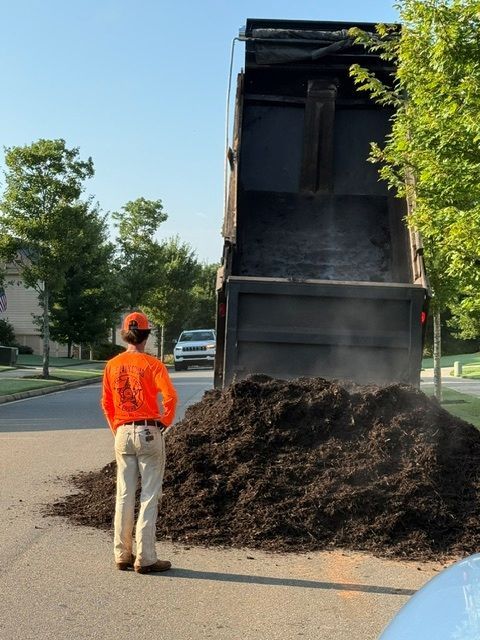
Professional landscaping practices contribute significantly to soil health by preventing erosion and maintaining fertility. Thoughtful landscape design ensures that sloping yards use terracing or deep-rooting plants to anchor topsoil firmly. The stability offered by plant roots binds soil, reducing erosion and safeguarding against landslides. Mulching and organic matter integration improve soil structure by enhancing nutrient levels and moisture retention capacity. This ecological stewardship maintains fertile grounds for prolonged sustainability of plant life and agricultural ventures. Landscaping therefore acts as a preventive tool, minimizing human impact on soil erosion and erosion-induced land degradation.
Professional landscaping offers an incredible range of benefits that go far beyond surface-level beauty. From driving up financial property value and improving home energy efficiency to providing significant psychological benefits and supporting local ecosystems, investing in thoughtful outdoor improvements yields lasting returns. As modern technology continues to streamline irrigation, lawn care, and design planning, creating an eco-friendly and beautiful yard is more accessible than ever. Ultimately, a well-executed landscape transforms any house into a sustainable, functional, and inviting sanctuary for years to come. To learn more, get in touch with The Lawn Squad.